Connect with us

2026 FIFA World Cup

Patience, Pragmatism, and Pandemonium: Key Takeaways from Ghana’s World Cup Opener

Published

on

Ghana was making its fifth appearance at the World Cup, a season that provides an august house of uniting many beyond the corridors of ethnicity, politics, religion, and others.
In the cold nights at 11: 00pm local time on June 17 many came out in their numbers to support the Black Stars, wore the national jerseys, paraphernalia with pride, smile, and confidence, as the players took to the field for another outing, a moment signifying a lot to the local populace and the diasporas at the BMO Stadium of Toronto, Sankofa Square, and around the globe.
Prior to the lineup, there were heavy expectations that this game would be a walk in the park for the boys against Panama, so when the lineup was announced an hour before kick-off with a lot of attackers (Ernest Nuamah, Kamaldeen Sulemana, Antoine Semenyo, and captain Jordan Ayew), the general plan was that the boys would kill this with cheeky ease. At least that was the general consensus, where I watched the game (Bawleshie and Accra Mall), but the script was different from what transpired on the field.
In this piece, I have penned down a few observations from the win against Panama.
If the top-level management of the Ghana Football Association knew what they were getting from appointing Portuguese trainer Carlos Querioz, it was for his defensive compactness, and that is a model he has perfected with a lot of his teams from his past. A huge contrast to how the Black Stars play naturally, an attacking fluid side backing their output with goals, but that is not what the Portuguese was bringing to the table.  The Black Stars lost six friendly games consecutively, conceding fourteen goals and scoring just three goals despite the quality of attackers in the setup. The team played just a friendly game against Wales, ending in 1-1, something that did not sit well with a lot of people, but the training sessions supervised by Queiroz exposed the boys to a lot of tactics. Their training regimens were highly intensive, speaking volumes about a clear path.
The team conceded possession to Panama largely in the game, in the first half the opposition garnered a whopping 64% possession to 36%, passing accuracy of 88% to 83%, they created chances with an XG 0.11 to 0.00, 3 shots to 0, 25% crosses to 0%, it was though the Black Stars came combed pitch and did nothing to solidify their presence. The stats did not favor them in any way, to say the least.
There were tweaks in the second half. Benjamin Asare (Hearts of Oak) made his World Cup bow for the injured Ati-Zigi. Ernest Nuamah and Kamaldeen Sulemana were subbed off for Fatawu Issahkuu and Thomas-Asante Brandon, a clear like-for-like changes considering the former failed to make an impact on the game.
The introduction of the two outfielders did work magic for the way the team played. They attacked the spaces more, created several chances, made runs, and their interchangeability was visible as they kept running and probing for a goal. To a large extent, it brought Antoine Semenyo to life, a complete shadow of himself in the first half. He was livelier and combined with the others to attack spaces in the Panama defense. It was no sham to see that the numbers take an upsurge from an XG 0.0 to 1.31, possession rose to 5%, total shots surged from 0 to 7, and had 11 touches in the opposition box. This is what experience buys in you, Carlos Queiroz. He weighed in on how the team played and made tweaks that paid huge dividends in the end, something Otto Addo did not have the courage to do in his game management of the team.
When Mohammed Salisu and later Alexander Djiku were ruled out with injuries, it gave Ghanaians a lot to thinker about with weeks set for the World Cup. A conundrum filled many with loads of questions than answers, but we have seen others step up to the plate when the going became tough. Jonas Adjetey and Jerome Opoku shared the pitch for the first time in a friendly against Wales in Cardiff. The duo formed a strong bond in that game; their chemistry was as though they had played many games between themselves but no that was the first time. They translated that to the Panama game. They fought hard for a clean sheet, combined duels of 4/4, aerial duels 4/5, 3/4tackles and passes completion of 47/52 (Jonas) and 41/45 (Jerome). This is certainly a match made in heaven for ages. I was impressed; hope you were too?
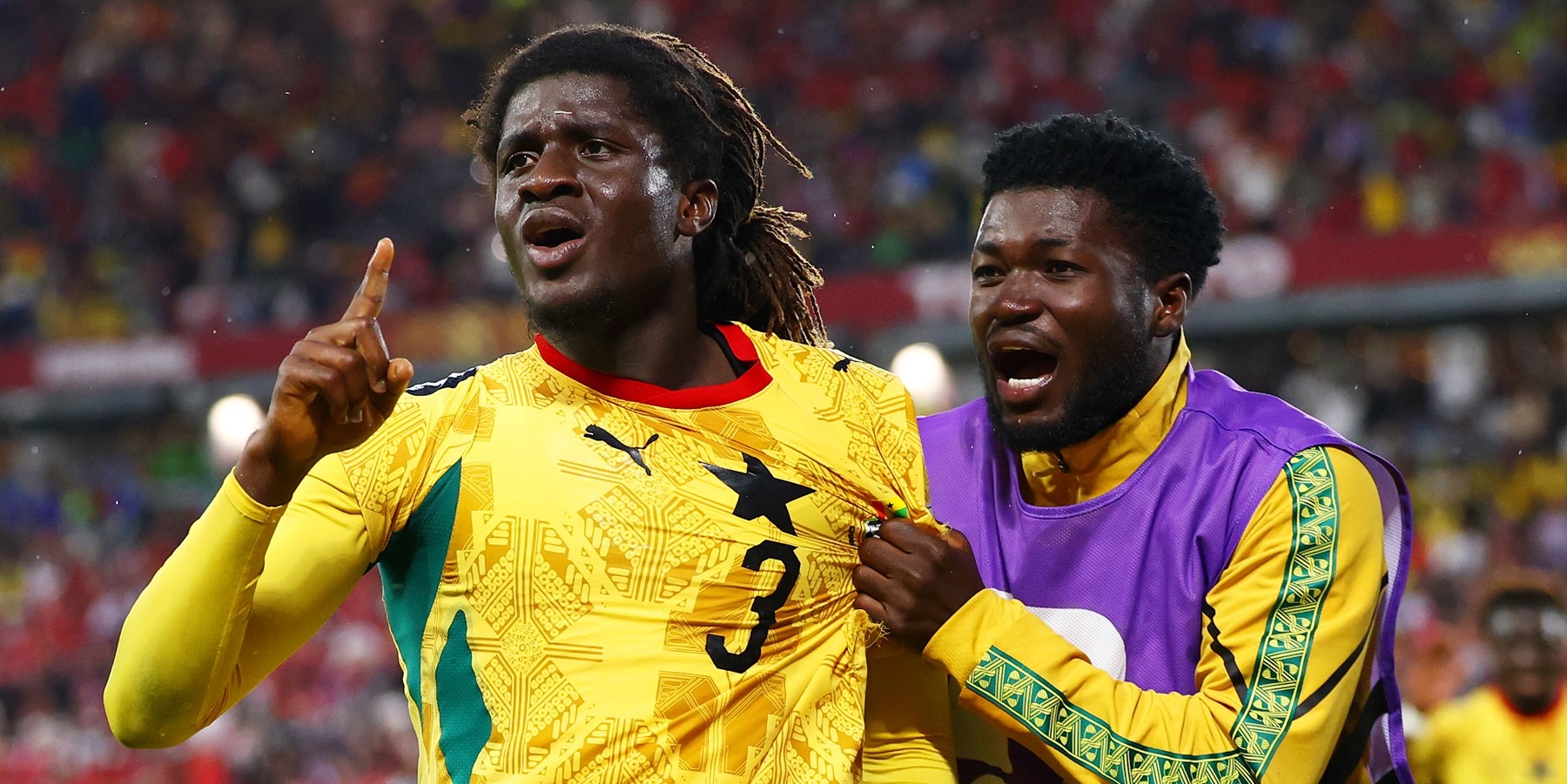
The World Cup has always been the stage where players get global recognition. I have seen players showcase their talents, others make big money moves, lives changed, and memories lasting forever. When South Africa hosted the World Cup in 2010, one player whose stock rose and has even after retirement is Siphiwe Tshabalala. He scored the opening goal, not an ordinary goal; it was a stunning left-footed strike from outside the box flying past Oscar Perez, and choreographed it with a celebration with his teammates, which became iconic. Twenty-two-year-old James Rodriguez joined Real Madrid from Monaco in July 2014, right after the World Cup, on a six-year deal. In that tournament, he emerged as the golden boot winner, and his iconic volley against South American opponents Uruguay made him a global sensation and earned him a big-money move. Caleb Yirenkyi made his World Cup debut for the Black Stars against Panama in midfield, not right back, as often misprofiled by former coach Otto Addo. That lad gave us what we had missed,  reminiscent of Michael Essien, giving us lots to cheer about. He enjoyed combing the pitch relentlessly; he was a breath of fresh air, tackles and interceptions when needed, and forward passes at some point. Despite a yellow card in the 16th minute, it did not deter him through out the game. It was least surprising when he started the transition that led to the goal in regulation time. A sequence from a confluence of “Rasta boys”.
It was a script made for Hollywood, which oozed class, sparking pandemonium in the stadium and in Ghana.
After the goal went in, a  friend whispered something into my ear. He said, do you know if Jordan Ayew was Yirenkyi, he wouldn’t pass to Semenyo. If Jordan were Semenyo, he wouldn’t pass to Brandon Asante. If Jordan were Brandon Asante, he wouldn’t pass to Yirenkyi, which means there would be no goal. I laughed heartily, and you know why.
I know Jordan Ayew is your friend; tell him to release the ball quicker, as it would help the team in its transition.
The three Lions of England took Croatia to the cleaners, dispatching them in a six-goal thriller. The last time the Black Stars of Ghana engaged the one-time World Cup winner was on March 29, 2011, with the equalizer scored by Asamoah Gyan, who is currently providing massive motivation to the current crop of Black Stars players.
The game is set for Tuesday, June 23, 2026, at the Boston Stadium.
Click to comment

Leave a Reply

Your email address will not be published. Required fields are marked *

2026 FIFA World Cup

FIFA U-15 World Cup: Spain crowned Champions as Ghana finish seventh after 4-0 win over Colombia

Published

on

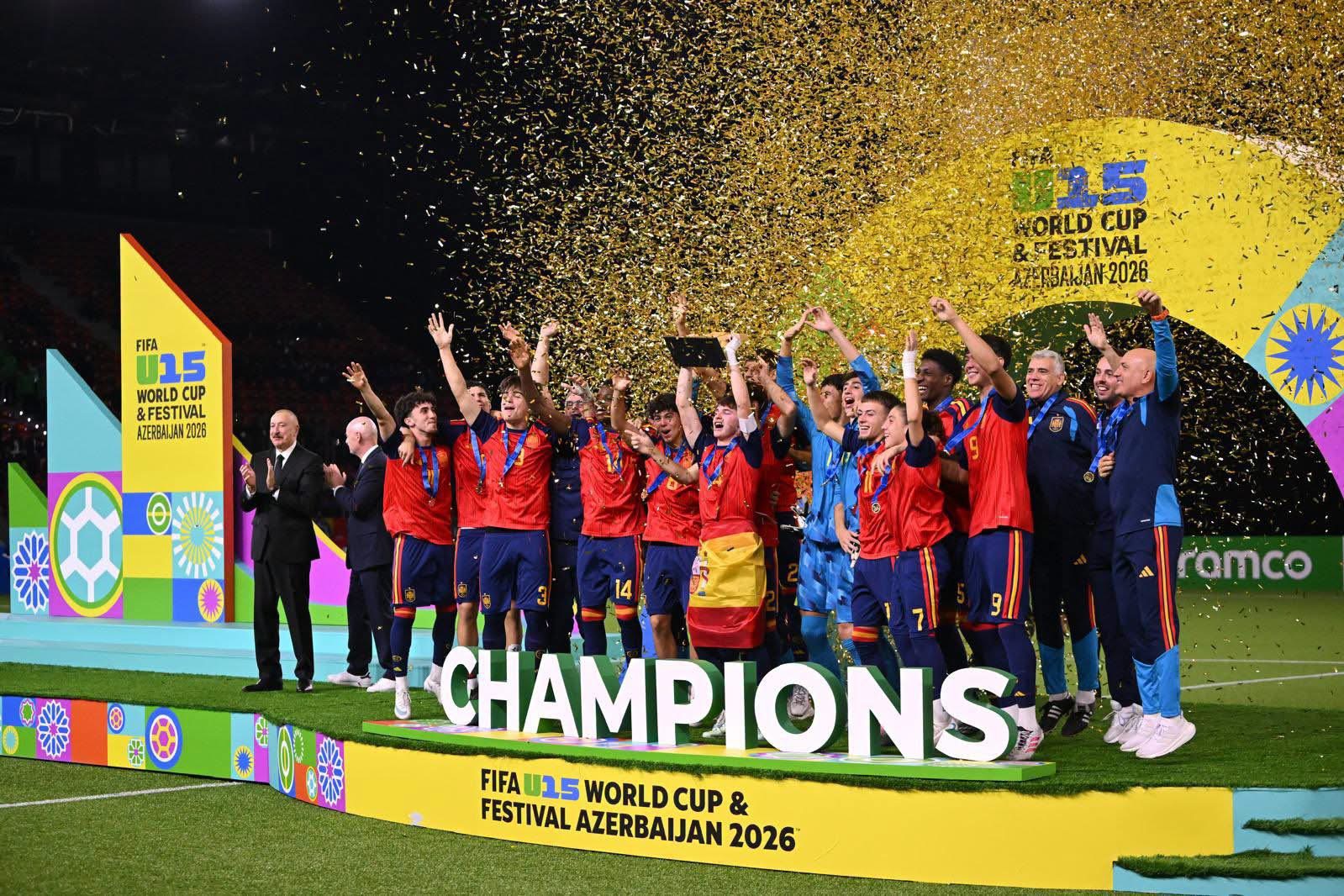
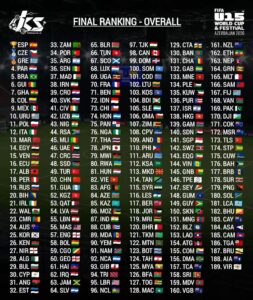
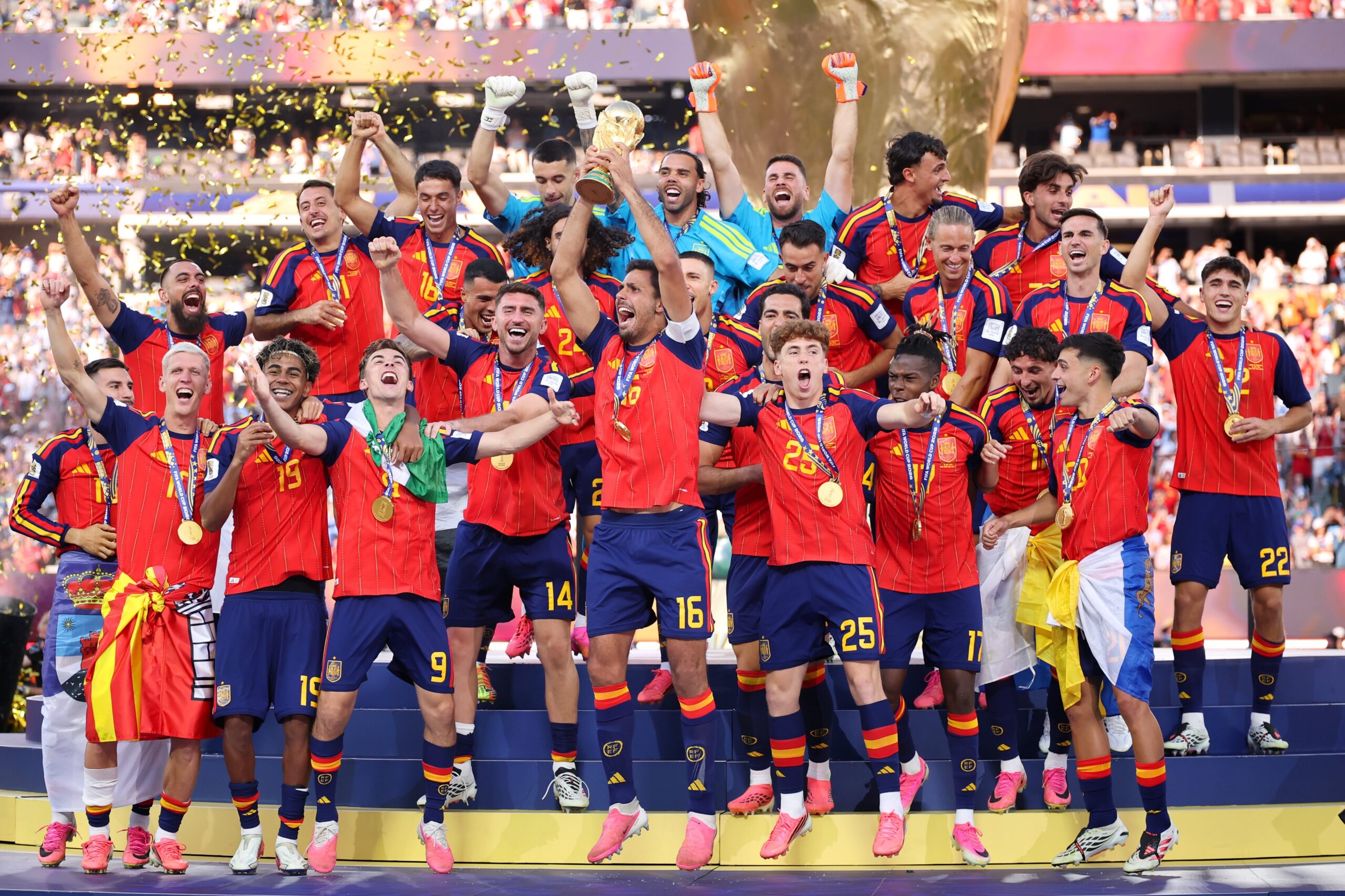
Spain have been crowned champions of the inaugural FIFA U-15 World Cup and Festival after defeating the Czech Republic 3-0 in the final in Baku, Azerbaijan, while Ghana’s Black Comets finished seventh overall.

The Spanish youngsters produced a commanding performance in the final to claim the historic title, becoming the first winners of the newly introduced FIFA U-15 World Cup and Festival.

Ghana, meanwhile, brought their campaign to a positive close with an emphatic 4-0 victory over Colombia in the seventh-place play-off, recovering from a heavy defeat to Brazil in their previous outing.

The Black Comets had suffered a 7-1 loss to Brazil in the Tier A ranking play-off for fifth to eighth place after their quarter-final hopes were ended by Paraguay. Ghana played out a 2-2 draw with Paraguay before losing 7-6 in a penalty shootout.

Despite those setbacks, the young Ghanaians responded with character against Colombia, securing a convincing victory to finish seventh in the competition.

Ghana enjoyed an impressive run in the tournament, winning eight of their ten matches and scoring 44 goals. They began with a perfect group-stage record in Group W, recording five wins against Uzbekistan, Myanmar, Guam, the Bahamas and Kazakhstan.

Their momentum continued into the knockout stages, where they defeated South Korea 2-1 in the Round of 32 before producing an impressive 5-2 victory over Mexico in the Round of 16.

The encounter against Mexico was particularly memorable for Shamsudeen Sulemana, who scored four goals in a remarkable individual performance. Abdul Aziz Issah also made a significant contribution throughout the tournament, scoring crucial goals against South Korea, Mexico and Colombia.

Although the quarter-final defeat to Paraguay denied Ghana a place in the last four, their seventh-place finish capped a productive campaign and provided valuable international experience for the country’s emerging talents.

For Spain, however, the tournament ended with a historic achievement as they lifted the inaugural trophy following their 3-0 victory over the Czech Republic in the final.

Ghana leave Azerbaijan with eight wins, 44 goals scored and a seventh-place finish, giving the Black Comets plenty of positives to build on as they continue their development on the international stage.
Continue Reading

2026 FIFA World Cup

FIFA U-15 World Cup: Ghana’s Black Comets fall to Paraguay on penalties after seven straight wins
Published

on

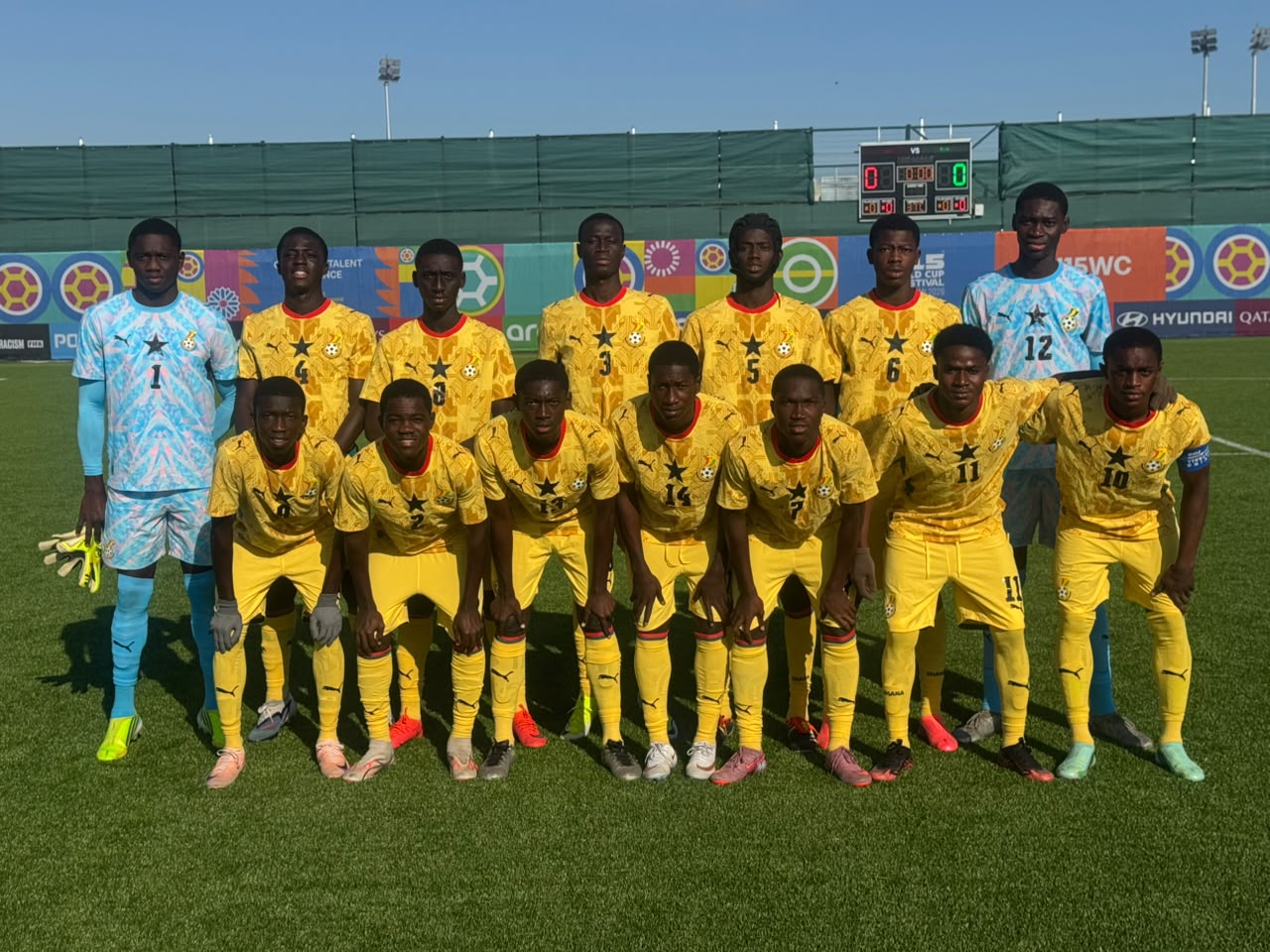
Ghana’s National U-15 Boys team, the Black Comets, saw their title ambitions end in the quarter-finals of the FIFA U-15 World Cup and Festival in Azerbaijan after suffering a narrow 7-6 penalty shootout defeat to Paraguay.

The quarter-final encounter ended 2-2 in regulation time, with the Black Comets showing determination to fight their way back into contention. However, Paraguay held their nerve from the spot, converting seven penalties to Ghana’s six to advance to the semi-finals.

Despite the painful exit, Ghana’s campaign has been one of the standout stories of the tournament, with the young side recording seven consecutive victories before their quarter-final setback.

The Black Comets began their Group W campaign with a convincing 4-1 victory over Uzbekistan before sweeping aside Myanmar 7-1. They continued their impressive scoring form with back-to-back 7-0 wins against Guam and the Bahamas, before closing the group stage with a 2-1 triumph over Kazakhstan.

Ghana finished top of Group W with a perfect record of five wins from five matches, scoring 27 goals and conceding just three.

Their dominance continued into the knockout stages, where they defeated Korea Republic 2-1 in the Round of 32 before producing another impressive display to beat Mexico 5-2 in the Round of 16.

Shamsudeen Sulemana was the star of the victory over Mexico, scoring four goals, while Abdul Aziz Issah added another to send Ghana into the quarter-finals with confidence.

The defeat to Paraguay brings Ghana’s winning streak to an end, but it does little to diminish the remarkable progress the team has made in Azerbaijan. Across eight matches, the Black Comets scored 34 goals, demonstrating their attacking quality and ability to compete against international opposition.

Their performances have provided an encouraging glimpse into the future of Ghanaian football, with the young players gaining valuable experience against teams from different footballing backgrounds.

Although a place in the semi-finals eluded them, Ghana’s campaign is not yet over. Under the tournament format, the Black Comets will participate in the ranking matches against the other quarter-final losers, giving them another opportunity to finish strongly.

For a team that won seven matches in a row and topped its group with maximum points, the quarter-final defeat is a disappointing end to their title pursuit, but their overall performance in Azerbaijan remains a significant achievement.
Continue Reading

2026 FIFA World Cup

Full list of 2026 FIFA World Cup award winners

Published

on

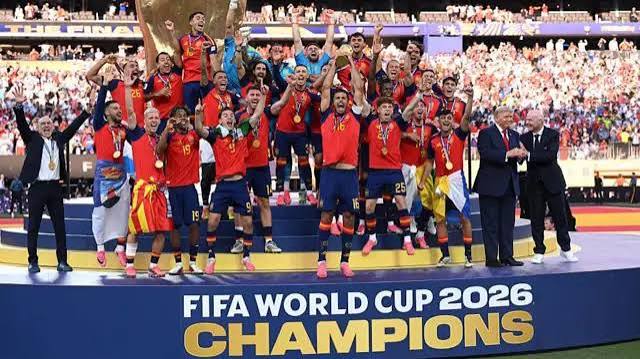
Spain defied the working template to post a 1-0 win over defending champions Argentina at the  New York New Jersey Stadium to claim the title for the second time in the country’s history.
Sixteen years ago, they celebrated their first sniff at the World Cup in South Africa over the Netherlands.
In the aftermath of the competition, several individuals were honoured for their outstanding display, notable was Spain trio, Rodri, Cubarsi, and Unani Simon.
Spain midfielder Rodri won the Golden Ball as the tournament’s best player after playing a pivotal role in his side’s title-winning campaign.
France captain Kylian Mbappé claimed the Golden Boot with 10 goals in eight matches, becoming the first player to win the World Cup’s top scorer award at consecutive tournaments. He also extended his record as the men’s all-time leading World Cup scorer with 22 goals.
Spain goalkeeper Unai Simón received the Golden Glove after helping his side concede just one goal during the tournament. He also set a World Cup record by going 650 consecutive minutes without conceding.
Spain defender Pau Cubarsí was named the Best Young Player following a series of impressive performances that helped anchor La Roja’s defence throughout the tournament.
The Netherlands won the FIFA Fair Play Award.

Full list of 2026 FIFA World Cup award winners

  • Champions: Spain
  • Runners-up: Argentina
  • Third place: England
  • Fourth place: France
  • Golden Ball (Best Player): Rodri (Spain)
  • Golden Boot (Top Scorer): Kylian Mbappé (France)
  • Golden Glove (Best Goalkeeper): Unai Simón (Spain)
  • Best Young Player: Pau Cubarsí (Spain)
  • FIFA Fair Play Award: Netherlands
Continue Reading

2026 FIFA World Cup

Ferran Torres stabs 10-man Argentina deep in extra time

Published

on

Spain continued their impressive streak to beat ten-man Argentina at the New York-New Jersey Stadium in the USA.
Barcelona winger Ferran Torres scored in the 106th minute to help the Spanish side to their second World Cup triumph after sixteen years.
Following wins over Austria, Portugal, and Belgium, the only hurdle left to complete an impressive winning streak was Argentina, and they made it worth their while as they took the La Albiceleste to the cleaners in front of a teeming Blue Army of fans at the stadium.
Spain’s approach was patient, careful, and tidy. They played 20 shots to two from Argentina.
Argentina’s goalkeeper, Emi Martínez, made a series of superb saves from shots from Lamine and Nico Williams to keep his team in the contest.
Nico and Ferrran combined to give Spain the much-needed win in the extra time to help the Spanish side to their second World Cup triumph after sixteen years.
Continue Reading

Trending