
WAFCON 2026
WAFCON 2026: Black Queens knocked out by Malawi, miss automatic World Cup qualification

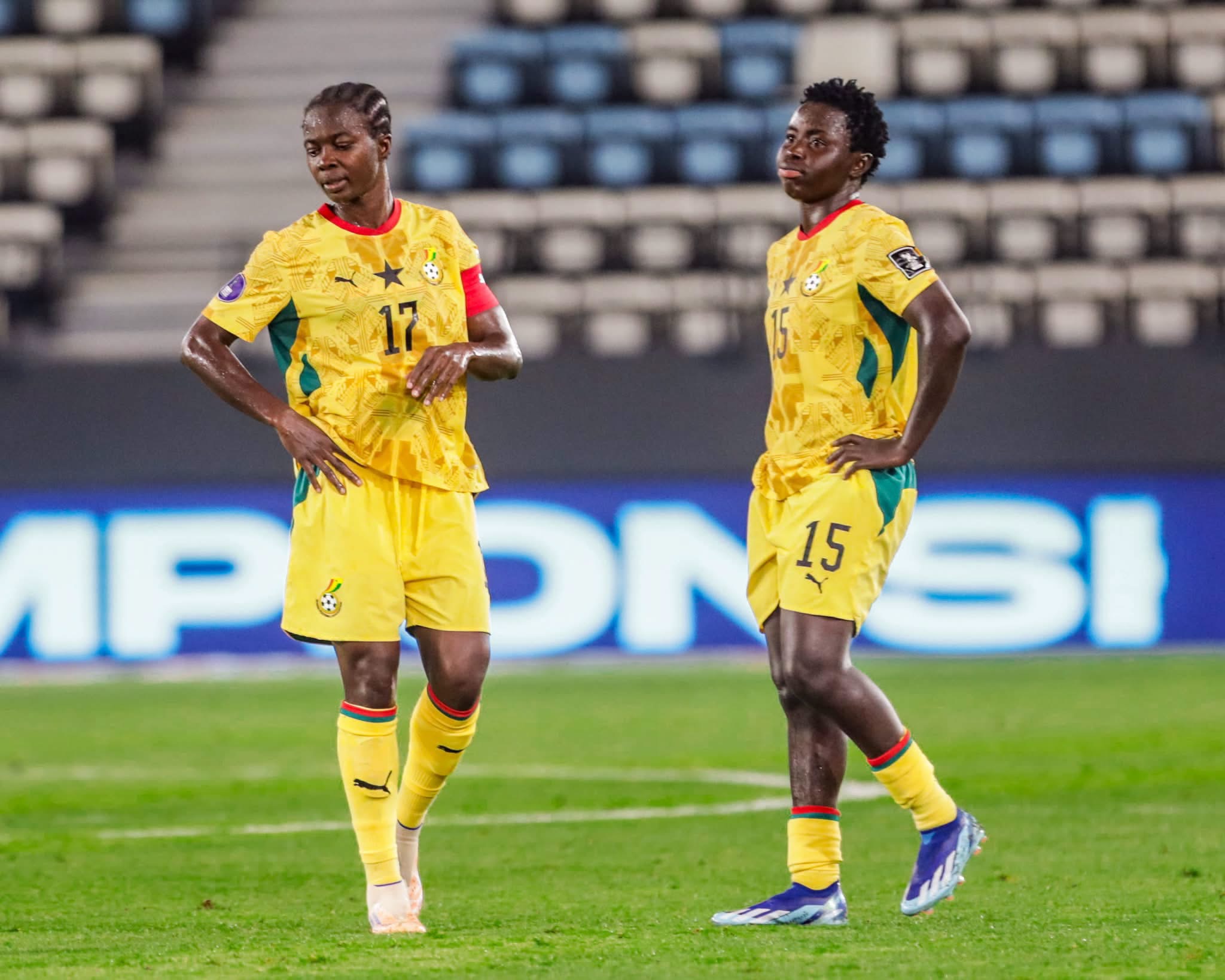
Ghana’s Black Queens have been eliminated from the 2026 Women’s Africa Cup of Nations (WAFCON) in Morocco after suffering a 2-1 quarterfinal defeat to Malawi on Sunday, August 9, ending their hopes of securing an automatic ticket to the 2027 FIFA Women’s World Cup in Brazil.
The Black Queens made a bright start and took the lead as early as the 7th minute, with Chantelle Boye-Hlorkah finding the back of the net to put Ghana ahead.
Malawi responded quickly, however, with Temwa restoring parity in the 12th minute.
Neither side could find another breakthrough before the interval, sending the teams into halftime level at 1-1.
Ghana thought they had regained the lead early in the second half when Doris Boaduwaa scored in the 54th minute, but the effort was ruled out.
The Black Queens continued to push for a second goal, but Malawi eventually completed the comeback in the 79th minute, scoring to take a 2-1 lead.
Ghana were unable to find an equaliser in the closing stages as Malawi held on to secure a place in the semifinals and send the Black Queens out of the competition.
The defeat is a major setback for Ghana, who had entered the quarterfinal knowing that victory would guarantee an automatic qualification spot for the 2027 FIFA Women’s World Cup in Brazil.
The Black Queens had reached the knockout stage after finishing second in Group D with four points, behind group winners Cameroon, but their campaign has now come to an end at the quarterfinal stage.
Ghana will therefore have to pursue other qualification possibilities for the 2027 FIFA Women’s World Cup after missing the automatic qualification opportunity that came with reaching the latter stages of WAFCON 2026.


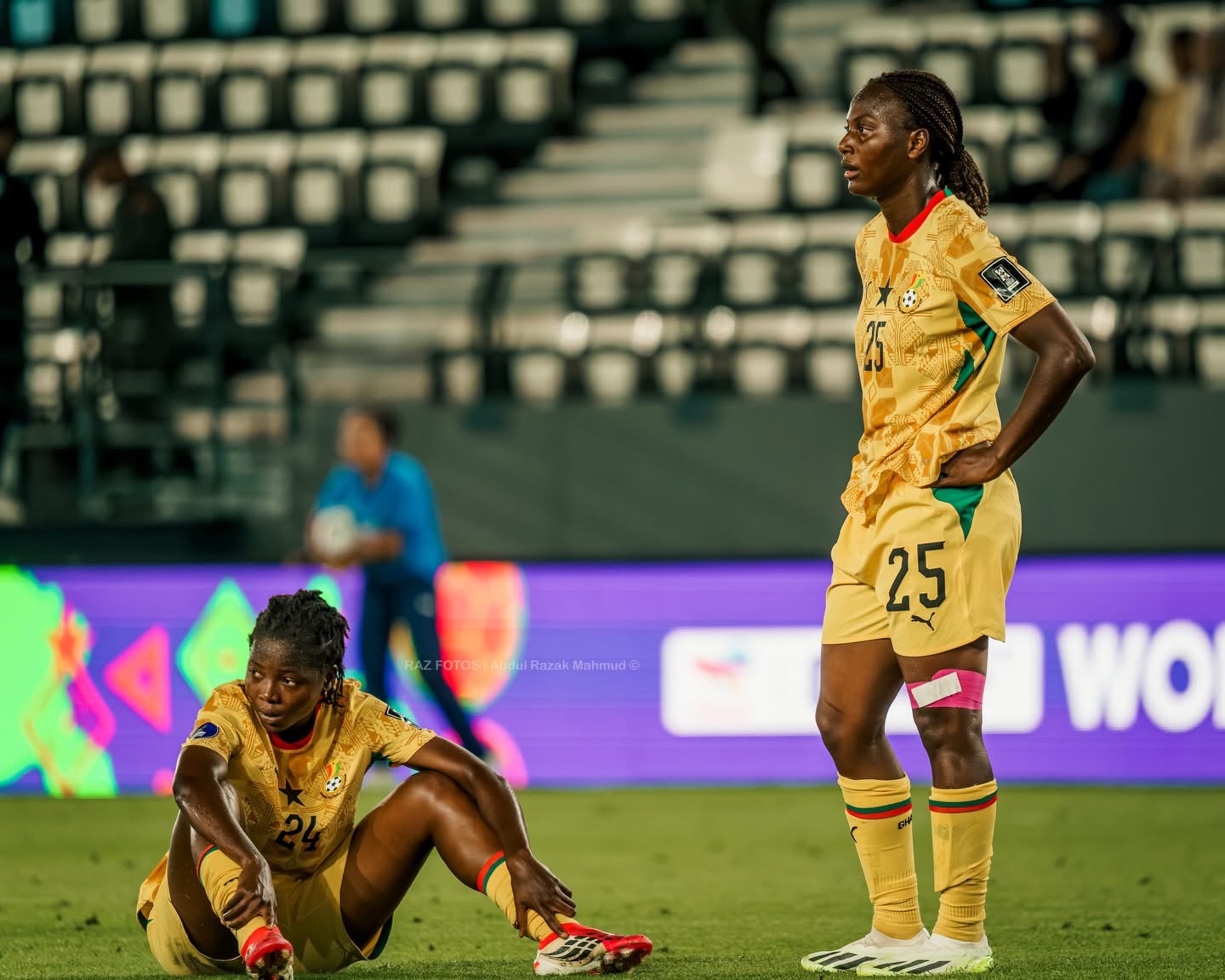
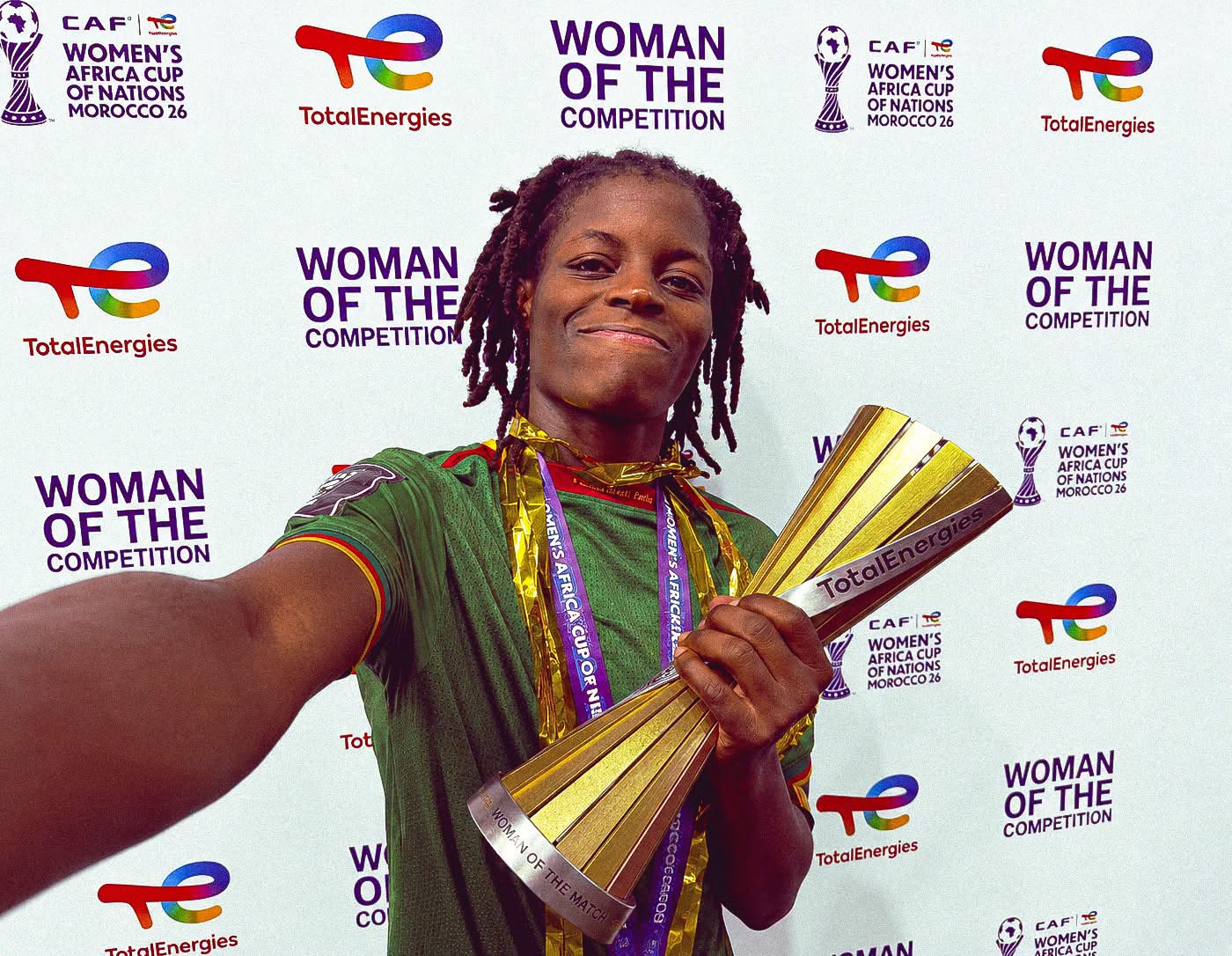
The curtains have officially fallen on the 2026 Women’s Africa Cup of Nations (WAFCON), with the outstanding performers of the tournament recognised after a historic competition in Morocco.
Newly crowned champions Cameroon dominated the individual awards, with several players earning recognition for their impressive contributions, while Malawi’s Temwa Chawinga claimed the prestigious Golden Boot award.
Cameroon midfielder Monique Ngock was named the TotalEnergies Woman of the Competition after an outstanding tournament that saw her play a key role in the Indomitable Lionesses’ historic title-winning campaign.
Ngock’s performances throughout the competition helped Cameroon secure their first-ever WAFCON trophy after defeating debutants Malawi in the final.
Malawi forward Temwa Chawinga finished as the tournament’s top scorer, winning the PUMA Golden Boot after scoring five goals and providing two assists.
Chawinga edged Cameroon’s Marie Gisèle Ngah Manga, who also finished the tournament with five goals, including a brace in the final that helped Cameroon lift the continental title.
Cameroon goalkeeper Michaely Bihina was rewarded for her outstanding displays between the posts, winning the Best Goalkeeper award after playing a crucial role in the champions’ successful campaign.
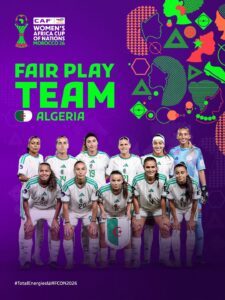
The Fair Play Award went to Algeria for their discipline and sportsmanship throughout the tournament.
The 2026 WAFCON ended with Cameroon lifting their first African women’s football title, Malawi finishing as historic runners-up in their debut appearance, and both teams securing qualification to the 2027 FIFA Women’s World Cup in Brazil alongside the other top-performing African nations.


WAFCON 2026
WAFCON 2026: Cameroon crowned African Champions after defeating Malawi in historic final
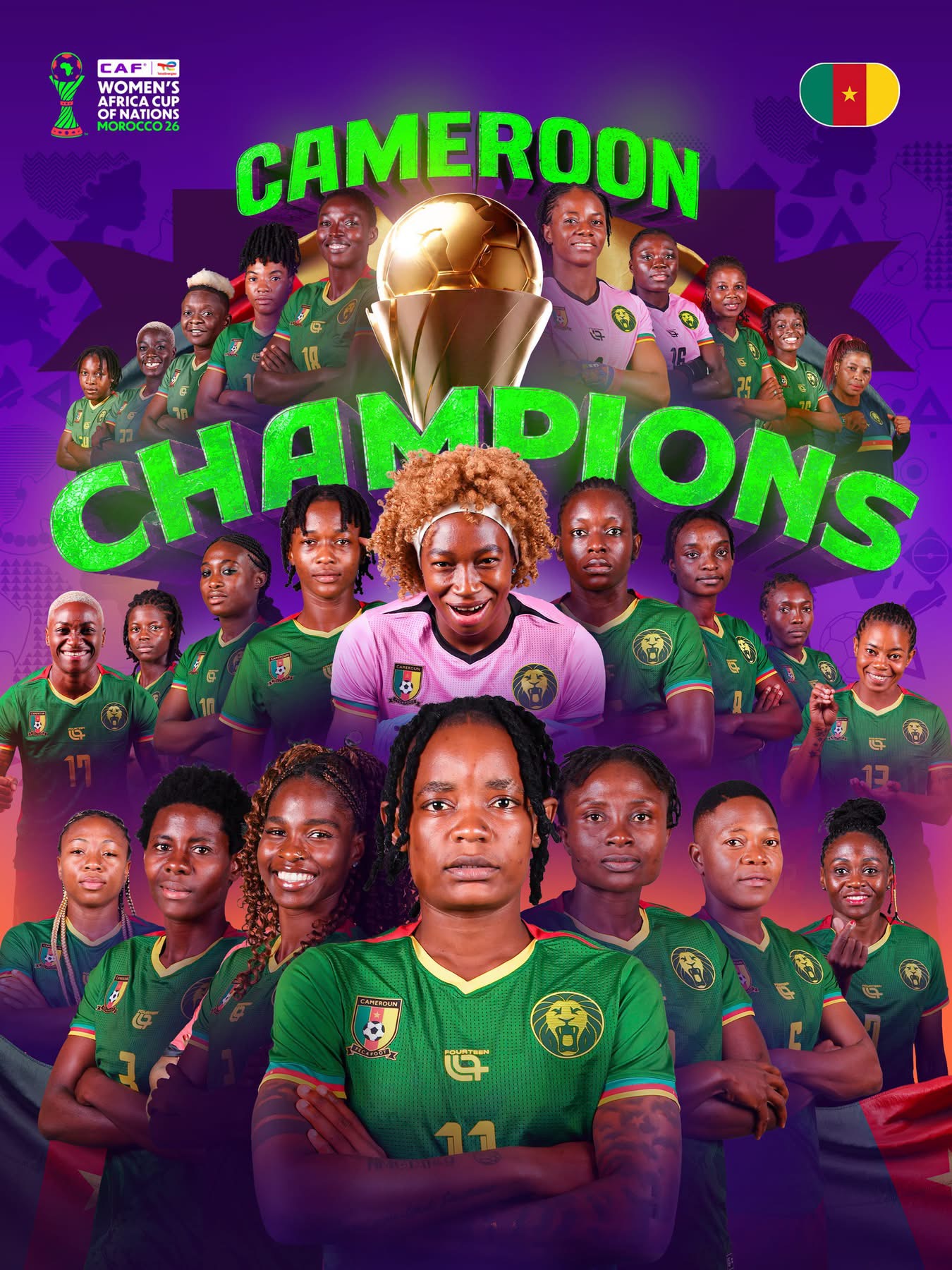
Cameroon have been crowned champions of Africa for the first time after defeating tournament debutants Malawi in the final of the 2026 Women’s Africa Cup of Nations (WAFCON).
The Indomitable Lionesses produced a dominant first-half display, scoring three goals before the break to take control of the final.
Marie Gisèle Ngah Manga was the star of the occasion, scoring twice, while Eto added another goal as Cameroon built a commanding advantage.
Malawi, who were appearing in their first-ever WAFCON tournament, could not complete another fairytale comeback as Cameroon held on to secure their maiden continental title.
The victory marks Cameroon’s first WAFCON triumph after four previous final appearances. The Indomitable Lionesses had reached the final on three occasions before (2004, 2014 and 2016) but missed out on the trophy each time.
Ngah Manga capped off an outstanding tournament with a brace in the final, taking her tally to five goals and earning the Woman of the Match award.
For Malawi, the journey has been nothing short of historic. The debutants shocked the continent by reaching the final after eliminating Ghana in the quarterfinals and Algeria in the semifinals.
They also announced their arrival on the big stage by defeating 10-time champions Nigeria 3-2 in their opening group-stage match.
Despite falling short in the final, Malawi’s remarkable campaign has earned them a place among Africa’s elite and secured qualification for the 2027 FIFA Women’s World Cup in Brazil.
Cameroon and Malawi will both represent Africa at the global tournament, having finished among the top four teams at WAFCON 2026, which also served as the continent’s qualification pathway for the World Cup.
The 2026 WAFCON final will be remembered as the night Cameroon finally lifted the African women’s football crown after years of waiting, while Malawi completed one of the greatest debut campaigns in the history of the competition.
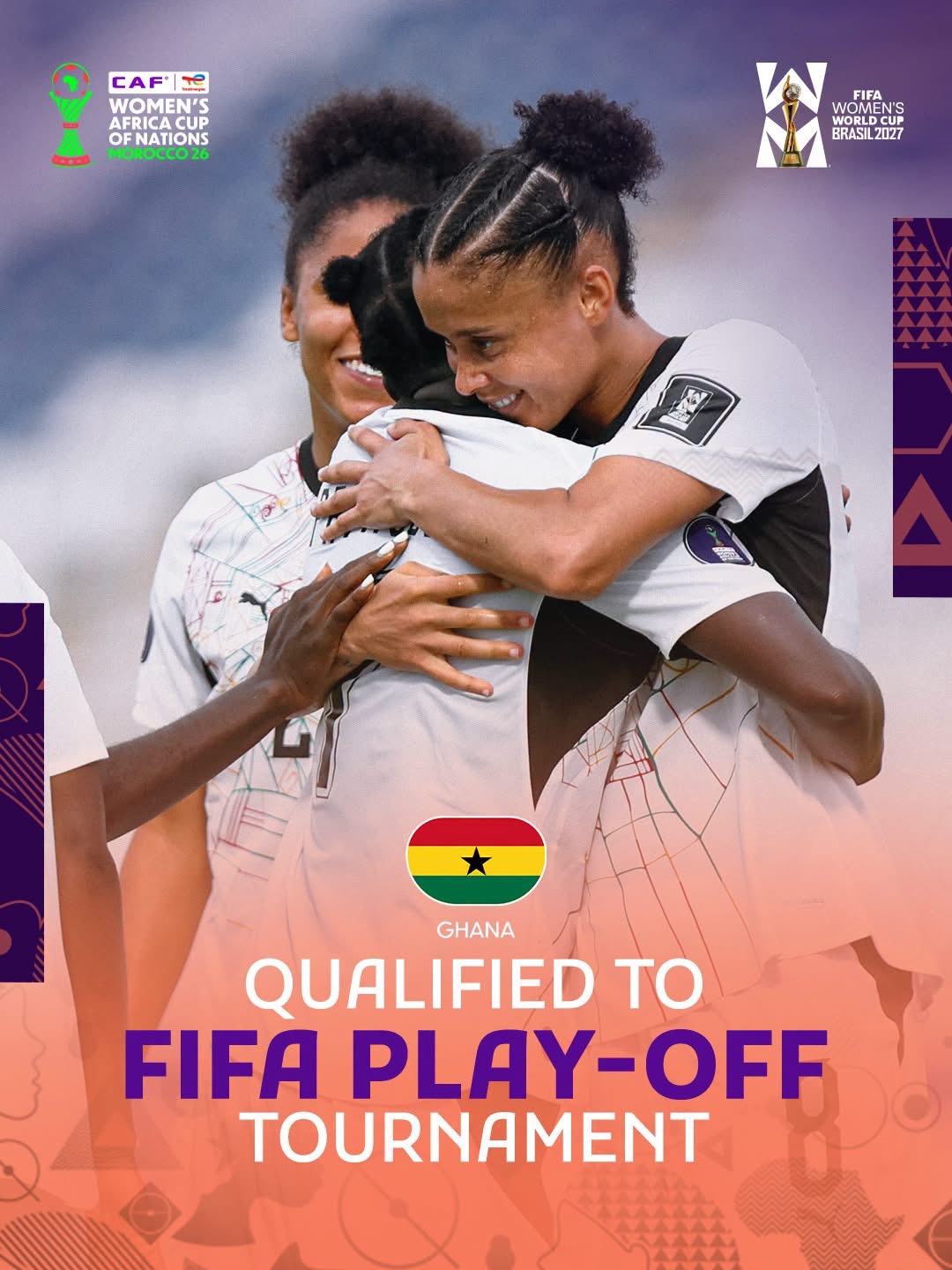
Ghana’s Black Queens have kept their hopes of qualifying for the 2027 FIFA Women’s World Cup in Brazil alive after fighting back to defeat Côte d’Ivoire 2-1 in the Women’s Africa Cup of Nations (WAFCON) 2026 play-in match.
The victory means Ghana have advanced to the FIFA Women’s World Cup Play-Off Tournament, where they will continue their quest for a place at the global showpiece.
The Black Queens had a difficult start to the encounter as Côte d’Ivoire took the lead in the second minute after Princess Marfo was adjudged to have committed a foul inside the penalty area. The Ivorians converted the resulting spot kick to put Ghana under early pressure.
Early in the second half, Stella Nyamekye thought she had restored parity for Ghana, but her effort was ruled out, denying the Black Queens a quick comeback.
However, Ghana continued pushing and were eventually rewarded in the 58th minute when Princess Marfo rose highest to head home the equaliser and bring the Black Queens level.
The momentum shifted in Ghana’s favour, and the team completed the comeback in the 72nd minute through Josephine Bonsu, who calmly converted from the penalty spot after a handball offence by Côte d’Ivoire. The penalty was won by Grace Asantewaa, whose effort helped create the decisive moment that gave Ghana the lead.
Princess Marfo was rewarded for her outstanding performance with the Woman of the Match award after scoring Ghana’s equaliser and playing a key role in the team’s attacking efforts.
Following their quarterfinal exit to Malawi, Ghana entered the play-in route alongside the other WAFCON quarterfinal losers. The winners of the African play-in matches advance to the FIFA Women’s World Cup Play-Off Tournament, where they will compete for one of the remaining World Cup slots through the inter-confederation qualification process.
The Black Queens now move one step closer to returning to the FIFA Women’s World Cup for the first time since 2007, but they must navigate the global play-off stage to complete their qualification journey.
-

 FIFA U17 Women's World Cup20 hours ago
Nigeria make history as first African Nation to win FIFA U-17 Women’s World Cup
-
 FIFA U17 Women's World Cup19 hours ago
Belinda Maku Aklie marks return to Cabfix Ladies with clean sheet after World Cup assignment
-

 FIFA U17 Women's World Cup7 days ago
FIFA U-17 Women’s World Cup: Ghana exit after 1-0 quarter-final defeat to Japan as defenders impress
-

 FIFA U17 Women's World Cup4 days ago
FIFA U-17 Women’s World Cup: Nigeria make history as first African finalists
-
 FIFA U17 Women's World Cup5 days ago
Nigeria fly African flag as 2026 FIFA U-17 Women’s World Cup reaches semi-final stage